
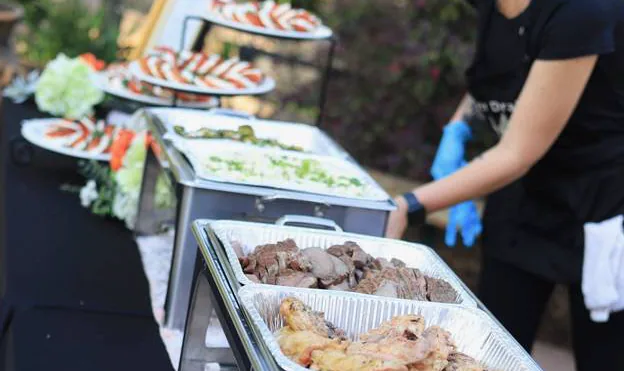
The biggest difference between indoor and outdoor Indian BBQ is not the menu. It is the risk and approval plan around the cooking and service area. Indoors, permission, ventilation, fuel, fire protection, loading, and equipment placement become central. Outdoors, weather, lightning, wind, ground conditions, temperature control, power, and a workable fallback become central.
Mehfill’s Indian BBQ catering starts at 25 guests across the approved GTA. Mehfill supplies tents, tables, and the tandoor for an approved event. The client obtains venue and fire approval. Electrical, fuel, ventilation, access, and other site requirements are resolved for the event; they are not universal promises.
Indoor and outdoor planning compared
| Question | Indoor BBQ plan | Outdoor BBQ plan |
|---|---|---|
| Permission | Written venue review of cooking, flame, fuel, ventilation, fire protection, and placement | Venue/property approval plus any applicable fire/open-air cooking review |
| Weather | Less exposed, but loading and any outdoor production path can still be affected | Heavy rain, thunderstorm, wind, heat, and ground conditions need a contingency |
| Layout | Clear separation from guests, exits, décor, combustibles, and circulation | Stable approved surface, clearances, tent/equipment position, queue, and safe route to the event |
| Utilities and ventilation | Confirmed for the exact equipment and room | Power, fuel, lighting, and any weather protection confirmed for the site |
| Fallback | Alternative preparation or service if the proposed setup is not approved | Written change, relocation, alternative menu/service, postponement, or cancellation decision |
Indoor BBQ requires explicit approval
Do not assume a banquet hall, community room, warehouse, or private event space permits a tandoor or other live-fire setup. Ontario’s Fire Code addresses open flames and devices in assembly buildings, and approval depends on the actual device, protection, placement, and authority having jurisdiction.
Start with the venue’s event manager and written policies. Share the proposed equipment and operating plan early enough for them to review it. The official Ontario Fire Code regulation provides the provincial framework, but the venue and relevant fire authority determine what is acceptable at the address.
An approved indoor plan should address:
- the exact cooking and service location;
- ventilation and any exhaust requirement;
- fuel and equipment permitted by the venue;
- distance from guests, exits, décor, and combustible materials;
- loading, setup, hot-food movement, and teardown;
- fire-protection and supervision requirements;
- what service replaces the live setup if approval is not granted.
Outdoor BBQ needs more than a tent
A tent can help with some rain or sun exposure, but it does not solve every weather hazard and does not provide lightning safety. Environment and Climate Change Canada advises going to a safe indoor location when thunder is heard and notes that open structures such as gazebos do not provide adequate lightning protection. Its guidance recommends waiting 30 minutes after the last thunder before resuming outdoor activity.
Use the official Government of Canada lightning-safety guidance when building the event emergency plan. Mehfill’s current policy treats heavy rain or a thunderstorm as a contingency trigger; the resulting service change or cancellation decision is specific to the written event plan.
Build a real weather contingency
“We have a tent” is not a complete fallback. Decide in advance:
- who monitors the forecast and makes the call;
- the deadline for changing the setup or menu;
- whether an approved indoor production or service area exists;
- whether food can be prepared differently and served without live cooking;
- how guests and staff reach safe shelter;
- what happens to service timing, staffing, and payment if the plan changes.
The City of Toronto’s food-safety emergency planning guidance for special events highlights planning for severe weather and disruptions. Its specific requirements apply to events within its scope, so confirm the rules for the event type and municipality.
Food safety and public special events
Public or special events can have notification and food-vendor requirements that do not apply in exactly the same way to every private event. In Toronto, organizers of events within the City’s special-event food-safety program are asked to notify Toronto Public Health in advance, and vendors receive requirements covering approved food sources, temperature control, handwashing, water, power, and on-site preparation.
Review the official Toronto food safety at special events guidance when relevant. Do not use this article to decide whether your event needs notification; ask the applicable public-health authority.
Guest flow and access change outdoors
Outdoor ground can be uneven, soft, wet, or far from power and loading. The layout must work for staff moving hot food and equipment as well as guests approaching the station. Consider lighting after dark, accessible paths, distance to seating, handwashing or service infrastructure, and where queues go if rain pushes everyone under cover.
Indoors, circulation can be tighter. Confirm that queues and service do not block exits or conflict with entertainment, bars, washrooms, or venue staff. Mehfill uses approximately 40 square feet per live station as an early planning estimate, but the final plan must account for the whole operating area.
Service, staffing, and cleanup facts
The current live/BBQ service window is two to three hours. Every event uses five service staff and two cooks, with two additional service staff above 100 guests. Staffing is C$18 per person per hour before HST, with a three-hour minimum and no billed travel time.
The C$100 total live/BBQ fee covers transportation, setup, teardown, and equipment. Mehfill removes garbage and wastewater after service. The quote still needs to define the menu, actual hours, event-specific equipment, site requirements, weather outcome, and HST.
What to obtain before booking
- Written venue permission for the proposed cooking and service setup.
- Any required fire review or approval.
- A floor or site plan with loading, equipment, station, queue, guest, and emergency routes.
- A severe-weather decision process and safe shelter plan.
- Confirmation of any municipal, public-health, or special-event requirements that apply.
- A written catering proposal describing the approved setup and contingency.
Use the Indian BBQ planning checklist, then submit the venue information through the Indian BBQ quote form.
Sources and planning references
- Mehfill Indian BBQ operating facts
- Ontario Regulation 388/97: Fire Code
- Environment and Climate Change Canada: lightning safety overview
- Toronto Public Health: food safety at special events
- Toronto Public Health: special-event emergency management planning
This is a planning guide, not legal, fire-code, weather, or public-health approval. Confirm requirements with the venue and authorities that govern the event.