
Indian wedding planning
Indian Wedding Catering Planning Guide
Build one Indian wedding catering schedule with separate guest counts, menu formats, venue handoffs and approvals for Mehndi, Sangeet, ceremony and reception meals.
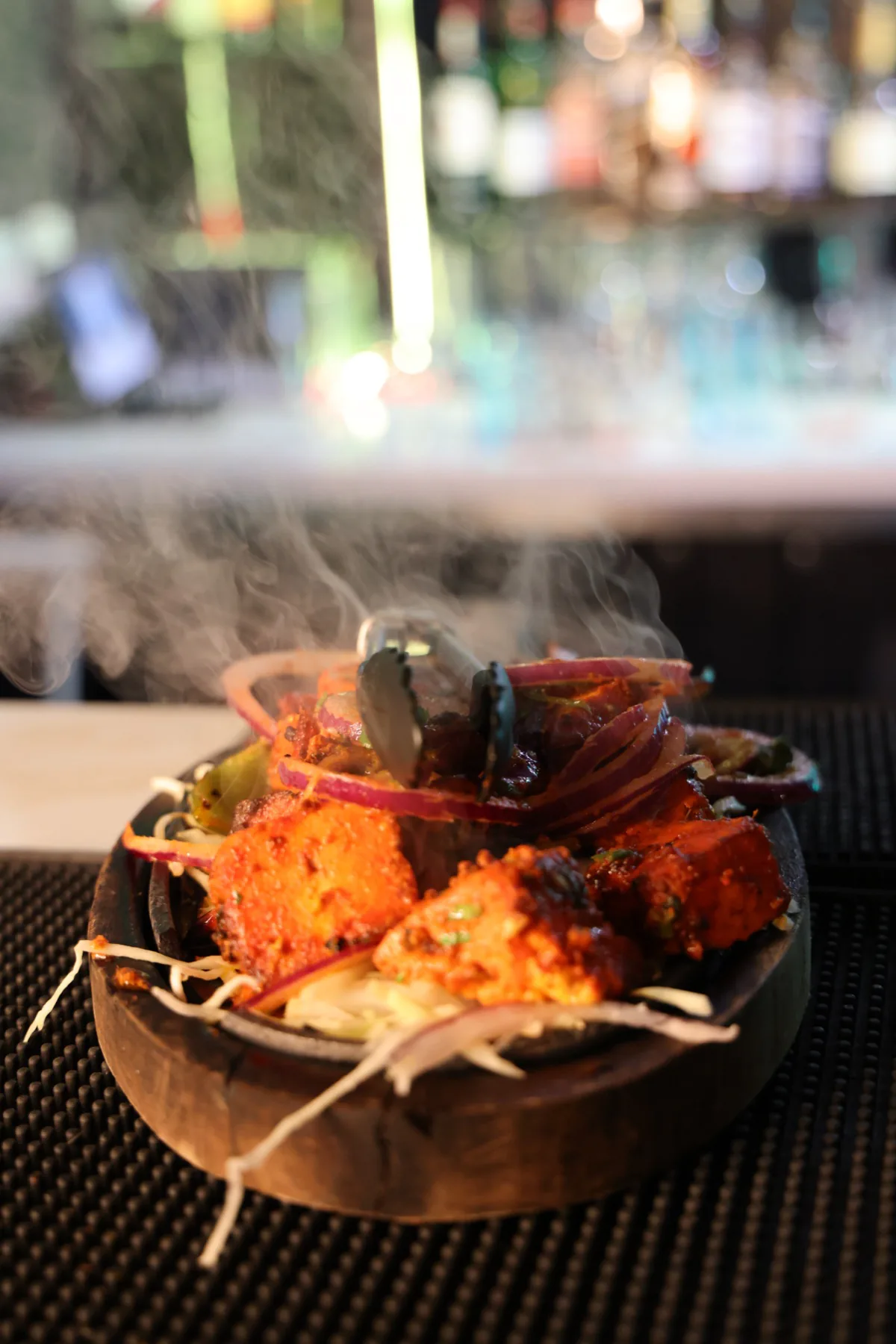 Menus and service tailored to your event
The short answer
Plan Indian wedding catering with one event-by-event schedule: record each function's address, guest count, meal window, format and decision owner. Use that schedule to confirm menu progression, dietary needs, venue permissions and staffing before approving the full quote. Mehfill supports tastings, tableware, servers and coordinated wedding menus; standard catering starts at 15 guests and live or BBQ service at 25.
Mehfill Catering Team · UpdatedStep 01
Build one master event schedule
The example below shows how attendance and food service could change across four functions. It is a planning exercise, not a past Mehfill wedding or a required cultural sequence. Replace the counts, venues and formats with your family's actual arrangements.
Start with the scope on our Indian wedding catering page, then record each function separately so the proposal can distinguish its menu, staffing and venue costs.
Swipe or scroll sideways to read the full worksheet.
| Function and example count | Possible meal plan | Decision to settle |
|---|---|---|
| Home Mehndi · 40 guests | Finger food for an afternoon gathering after lunch. | If the invitation replaces a meal, add a full meal plan rather than relying on snacks. |
| Sangeet · 100 guests | Shared buffet around the performance schedule. | Agree whether serving pauses, precedes or follows the programme. |
| Ceremony meal · 150 guests | An agreed buffet window after the ceremony. | Confirm seating, guest release and how a ceremony delay changes service. |
| Reception · 180 guests | Buffet with an optional venue-approved live format. | Confirm peak demand, station space, full staffing and the separate live-service scope. |
Create one row per date and address, even when two functions share a venue. Record food-service time separately from guest arrival.
Count attendance by function; the reception count does not automatically apply to the Mehndi or ceremony meal.
Name the family or planning contact who can approve menu decisions and the venue contact who controls access.
Mark undecided details clearly. An estimated headcount can start an enquiry, but the final count and menu need confirmation.
Step 02
Create menu progression
Give each meal a job before choosing dishes. In the example, afternoon refreshments, a performance-night meal and a reception should not automatically repeat the same appetizer and main-course pattern. Familiar favourites can remain when the format, pacing or rest of the menu changes.
For the first gathering, explore Mehndi party food ideas that compare mingling-friendly refreshments with a full meal.
Use the multi-function wedding menu planning guide to compare the whole sequence before committing to each menu.
Menu role: decide which gathering needs only refreshments and which must provide a complete meal; make that clear in the invitation.
Package fit: compare the actual selection counts and inclusions. A dessert or bread already included in a package should not be budgeted again as an extra.
Dietary continuity: keep one requirements list and mark who attends each function. Vegetarian, vegan and Jain requests are not interchangeable; allergy and cross-contact questions need review.
Tasting brief: tell the team which menu decisions a tasting needs to resolve and confirm its arrangements. Do not assume every proposed dish or format is included.
Step 03
Coordinate the guest experience
An event schedule becomes usable when each venue handoff has an owner. For every function, record the access window, room layout, setup completion, serving period and agreed closeout. Leave any unresolved timing or equipment question visible in the quote.
Before selecting an interactive station, use the live catering venue requirements checklist to confirm the proposed setup with the venue. A supplied tent or table does not establish permission to cook.
Guest flow: show queues, seating, buffet or station positions and routes between rooms. Plan the busiest arrival period, not only the total attendance.
Venue scope: confirm outside-caterer rules, loading, utilities and any cooking or fire approvals. Live or BBQ service also needs a workable weather fallback where relevant.
Costs by function: standard GTA delivery is C$40; live/BBQ instead uses a C$100 transportation, setup, teardown and equipment fee with staffing separate. Ask the quote to explain charges for different dates, addresses and service scopes.
Final approval: check menu, guest count, staff, tableware, equipment, cleanup, HST and payment terms for each function. Confirm the routine 24-hour final menu/count deadline and any explicitly agreed exception.
Confirm the actual event
Turn the checklist into a catering conversation.
Share the date, address, guest count, event type, and the decisions you already know. Mehfill will review the current menu, service, availability, and commercial scope.
Get a quote